
The right padel court for your project depends on where you build, who plays, and how the court supports your business, not on which model looks most expensive. Rayjun Sports supplies the full range of padel court types from a single factory, so this article gives club owners, hotels and importers a clear way to decide before requesting a quote.
What This Guide Covers
- The main padel court types Rayjun builds.
- The real differences between panoramic and standard courts.
- How climate and site shape the choice.
- When a panoramic court actually pays back.
- A procurement checklist you can send to any supplier.
Understand the Main Padel Court Types
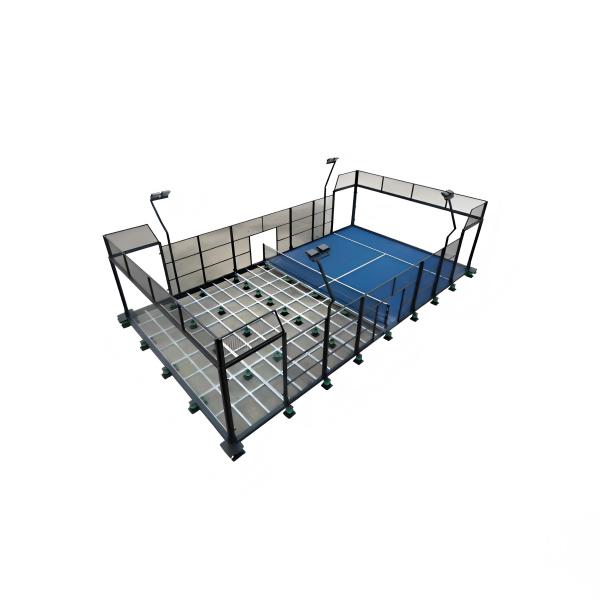
A padel court is a fully enclosed 20 m by 10 m playing box with 6 m clearance, defined by the International Padel Federation (FIP). Within that footprint, Rayjun padel court models differ in glass coverage, frame design and weather protection.
Single and Standard Padel Court
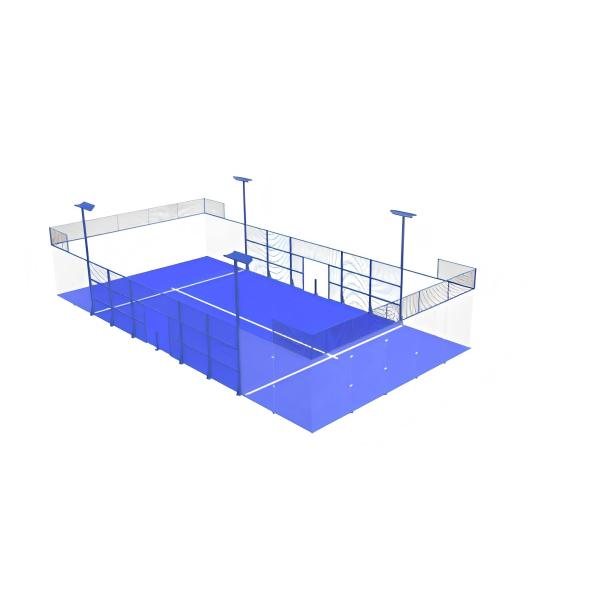
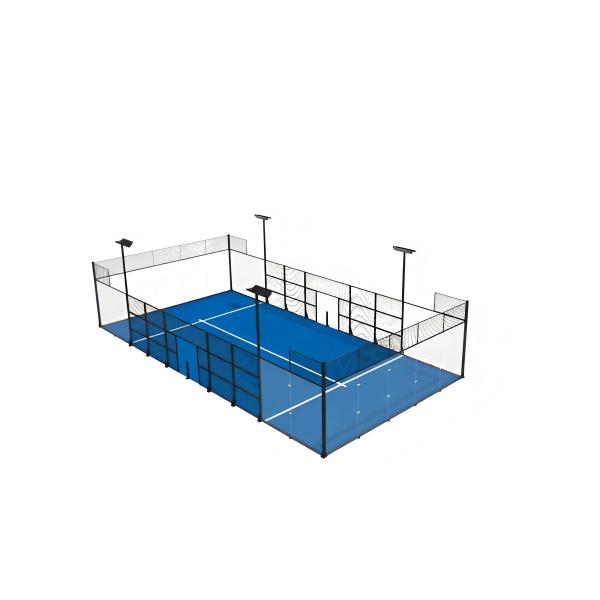
The Rayjun Single Padel Court uses steel posts with mesh side walls and tempered glass only on the back walls. It is the most economical structure and the easiest to install. Schools, training centers and community clubs often start here.
Panoramic Padel Court
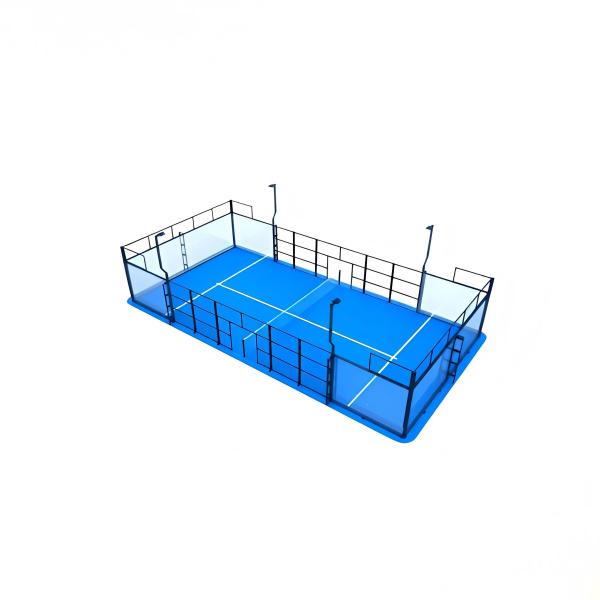
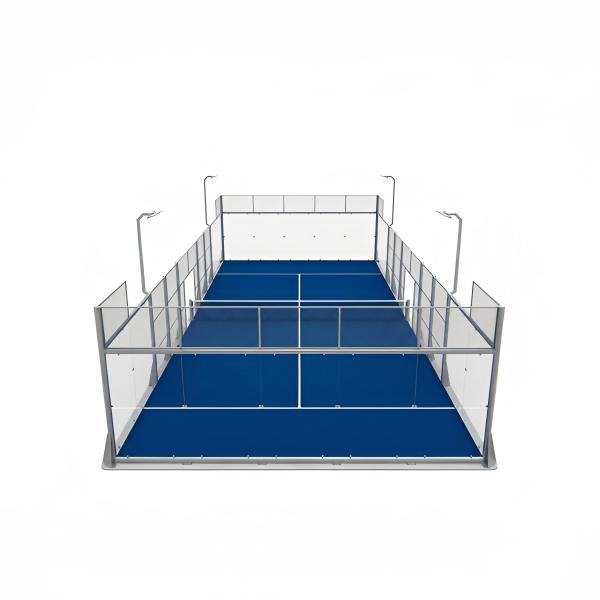
The Rayjun Panoramic Padel Court replaces most steel posts with large tempered-glass panels, giving clear sightlines for spectators and cameras. It is the default choice for commercial clubs, tournament show courts and premium resorts.
Super Panoramic Padel Court
The Rayjun Super Panoramic Padel Court extends glass coverage to the corners for a 360-degree open view. It is built for flagship clubs and sponsor-driven venues where the court itself is a visual landmark.
Wind-Resistant Padel Court
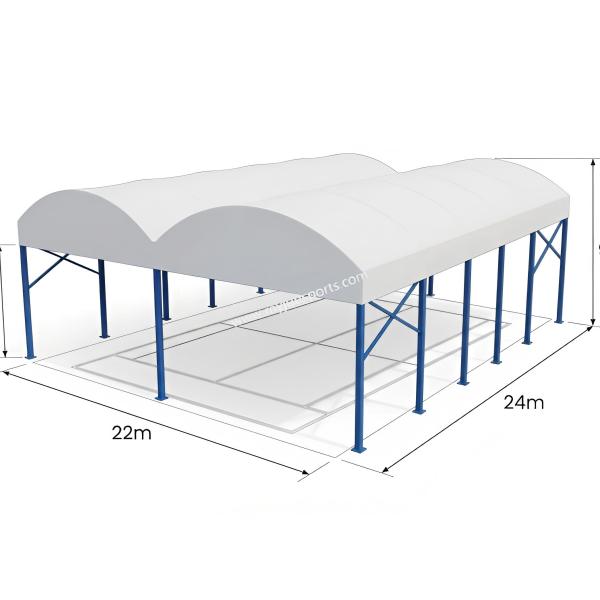
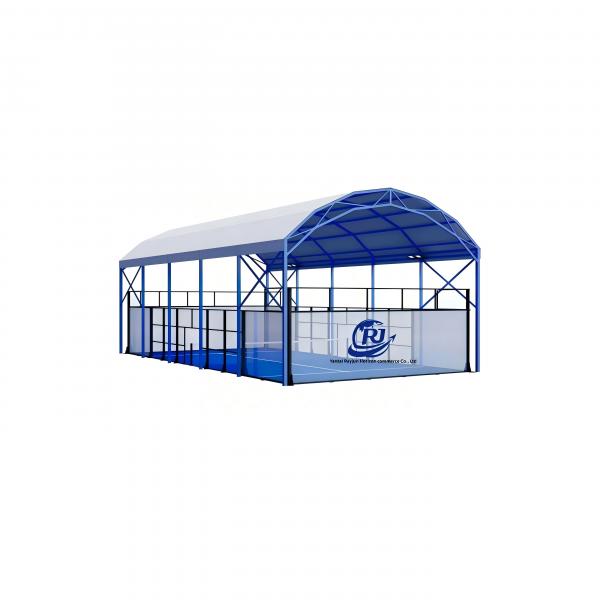
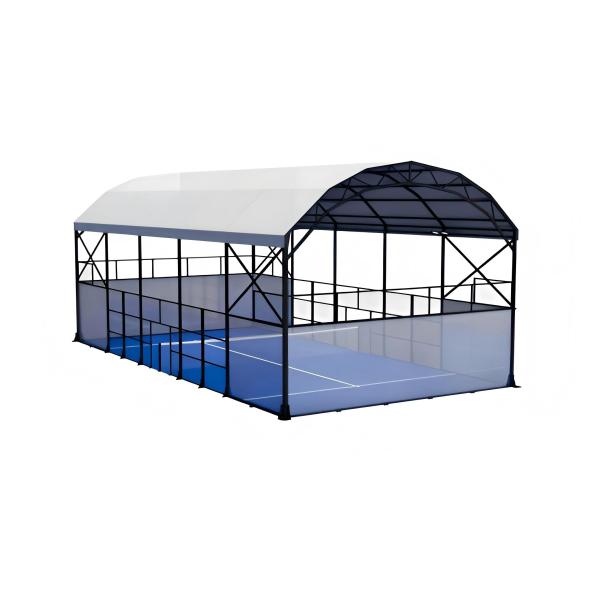
The Rayjun Wind-Resistant Padel Court uses reinforced structure and engineered load paths for exposed coastal or high-wind sites. Third-party guides note that above roughly 80 km/h sustained wind, mesh side walls can be an engineering requirement rather than a style choice.
Padel Court for the USA Market
The Rayjun Padel Court for the USA Market is configured to meet North American expectations on dimensions, net height and shipping, which simplifies import for US clubs and distributors.
Panoramic vs Standard: The Real Differences
The playing rebound is identical because both use the same tempered safety glass to EN 12150. The differences are commercial and structural.
- Visibility: Panoramic removes posts from the viewing line; standard keeps them every 2 m.
- Cost: Panoramic typically costs 15 to 25 percent more than a standard court of equal size.
- Wind: Standard frames spread load through more posts; panoramic concentrates it at corner joints.
- Install: Panoramic needs tighter alignment tolerances and often a crane.
- Positioning: Panoramic supports premium membership, events and social media; standard supports playing capacity.
Match the Court to Your Site and Climate
A seaside resort in a typhoon zone should not default to full glass. A city club that films matches should not save on posts. Rayjun padel court engineers recommend a site wind study before specifying panoramic in open or coastal locations.
Analysis: When Panoramic Pays Back
A panoramic court costs more up front, but it can carry higher booking fees and stronger branding. For a multi-court club, the practical move is one panoramic show court plus standard training courts. This captures most of the visual value at a much lower total cost and install risk.
Professional Recommendation from Rayjun
Rayjun Sports suggests starting with a standard or wind-resistant court for first builds and budget sites, and reserving panoramic or super panoramic for venues where spectator experience and media matter. Rayjun entered padel court production in 2019 after years in steel-structure fencing, so the frame, glass and foundation work as one engineered system.
Case Note from the Field
Industry references show a 4-court commercial club often reaches roughly USD 200,000 all-in, while a 2-court resort amenity can land near USD 100,000. The court kit is usually 30 to 50 percent of that total, which is why model choice should follow the full business plan, not the catalogue price.
Purchasing and Application Tips
- Define use: training, pay-to-play, events or branding.
- Share site wind and sun data with the supplier.
- Ask for corner-joint engineering, not just a glass photo.
- Mix one panoramic show court with standard courts for multi-court sites.
- Request Rayjun padel court drawings and a line-item quote.
FAQ
Q: What is the difference between a panoramic and a standard padel court? A: Both use the same FIP 20x10x6 m footprint and EN 12150 glass, so rebound is identical. Panoramic removes viewing posts with full glass; standard keeps mesh and posts. Panoramic costs about 15 to 25 percent more and needs tighter install.
Q: Is a panoramic padel court worth the extra cost? A: For commercial clubs, tournaments and resorts where visibility and branding matter, yes. For training centers and first builds on a tight budget, a standard Rayjun court delivers the same play at lower cost.
Q: Which Rayjun padel court is best for windy sites? A: The Rayjun Wind-Resistant Padel Court, with reinforced structure and mesh side walls that let wind pass through, is the safer choice above sustained 80 km/h wind zones.
Q: Can I mix court types in one facility? A: Yes. Many clubs install one panoramic show court plus standard courts for training and general bookings, which balances cost and presentation.
Q: Does Rayjun supply courts for the US market? A: Yes. The Rayjun Padel Court for the USA Market is configured for North American dimensions, net height and shipping requirements.
Contact Rayjun Sports at andrew@rayjunhorizon.com for a model matched to your site, climate and business model. Rayjun padel courts ship to clubs, hotels and distributors in 30 plus countries.